
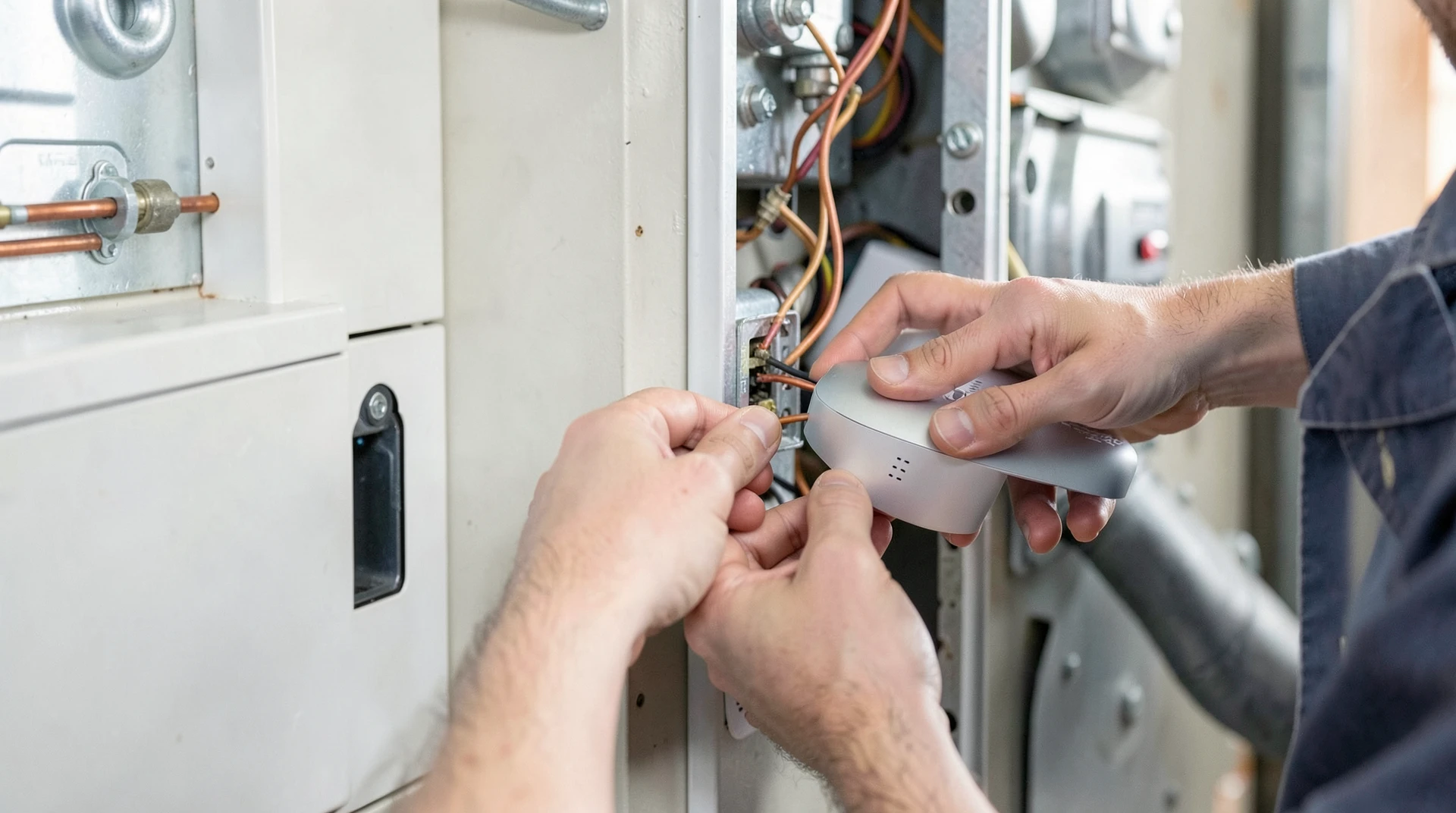
Low Voltage Wiring Needed for WiFi Thermostat Installation? Everything Reno Homeowners Should Know
You’ve probably seen the glossy ads: sleek, modern smart thermostats that promise to save you money, perfectly regulate your indoor climate, and even learn your family's schedules. The idea of giving your home a brainy, efficient upgrade is incredibly appealing, especially when utility bills are climbing year after year. But before you buy that beautiful new gadget, there’s a critical question we need to answer: is low voltage wiring needed for WiFi thermostat installation, and if so, what does that actually mean for your comfort and wallet?
We proudly serve hvac services in Kings Beach, CA and the surrounding area.
It’s easy to look at the smart thermostats themselves-the touchscreen display or the Wi-Fi connection-and think the rest is simple plug-and-play. Unfortunately, while the technology has become incredibly advanced, the underlying foundation of your home's climate control system is often decades old. Reliable comfort doesn't just come from buying a new gadget; it starts with understanding the fundamentals that make sure the entire system can talk to each other efficiently.
Ask us about dependable AC Repair for your home – we handle it from start to finish.
Is Your Current Thermostat Holding Back Your Home's Efficiency?
For many homeowners here in Washoe Valley, the biggest pain points related to HVAC aren’t the breakdowns themselves-it’s the feeling of constantly paying for an inefficient system. You open a bill and see that spike, wondering why your energy consumption seems to climb every year, even when you adjust your habits. It feels like money is just disappearing into the ductwork.
Learn more about the team at Smart Hvac Solution.
That nagging suspicion points directly toward efficiency. Outdated thermostats, or worse, systems running on older infrastructure, often operate blind to modern demands. They can’t learn complex patterns, they don't communicate with as much finesse, and crucially, they might not be able to provide continuous power when needed. This is where smart WiFi thermostats shine-they aren't just fancy clocks; they are sophisticated efficiency tools that monitor your habits, adjust cooling cycles precisely, and directly translate into meaningful savings on the utility bill.
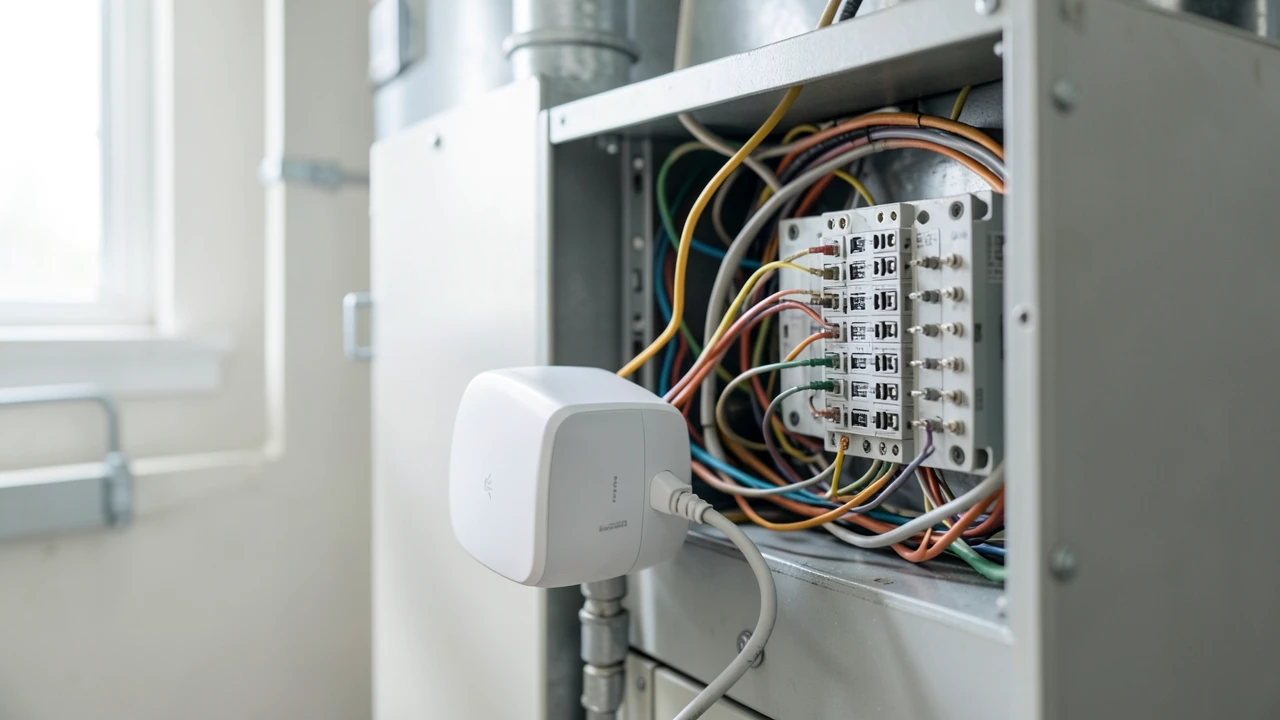
However, before you get excited about the cost savings, we have to address the elephant in the room: the installation. A lot of people assume that because the thermostat unit is small and uses simple wires, the install must be easy. I’ve seen homeowners attempt these DIY jobs only to find themselves frustrated when the new smart system works perfectly at the wall, but fails entirely to communicate with the actual furnace or air handler in the basement. The sophisticated connection between the brain (the thermostat) and the muscle (the HVAC unit) is often far more complicated than it looks on a retail box.
Here, my perspective comes into play: reliable comfort starts not just with buying the latest tech, but by thoroughly understanding what your system needs to run that tech correctly. Ignoring the underlying wiring infrastructure can turn a promising efficiency upgrade into an expensive paperweight.
Understanding Low Voltage Wiring for Smart Home Integration
To talk about modern smart thermostats, we have to take a quick detour and understand how these systems actually communicate. Think of it this way: if your main house electrical outlets are like the massive main water line supplying power-the strong, high-volume service-then the low voltage wiring running through your thermostat system is more like specialized signal plumbing. It’s not carrying enough power to run a lightbulb, but it's absolutely vital for transmitting detailed instructions: "It's 72 degrees in here," or "Start cooling cycle now."
This leads us directly to the core question: is low voltage wiring needed for WiFi thermostat installation? The short answer is almost always yes. Why? Because modern smart systems require more than just the simple, basic wires that were installed decades ago. They need reliable communication pathways and, most importantly, consistent power.
The main component we must talk about is the C-wire. If you’ve ever heard of it, you know it provides continuous power-a steady stream of low voltage electricity that keeps the smart thermostat connected to Wi-Fi, running its algorithms, and communicating with your HVAC unit 24/7. Older systems might run on a simpler setup (like just R, W, Y, G wires), which works fine for basic "on/off" cycling but cannot sustain the constant power draw required by modern smart tech or advanced features like zone control.
The difference between an old 24V system and a modern one is often simply the need for this continuous power source. If that crucial low voltage wiring, particularly the C-wire path, is missing, damaged, or improperly run, your expensive new thermostat might display perfect readings, but it will lose connectivity, fail to trigger the furnace correctly, or revert back to basic functionality-defeating the entire purpose of the smart upgrade. This isn't just a minor technicality; it’s what determines if the system provides true HVAC efficiency upgrade Washoe Valley comfort.
The Pitfalls of DIY: When Wiring Problems Lead to System Failure
The temptation to save money by tackling an HVAC wiring job yourself is strong, but I urge caution. While researching online forums might make it seem manageable with a few simple tools, the stakes are too high for guesswork. This isn't just about connecting wires; it’s about ensuring those connections can handle varying loads and withstand the extreme swings of Washoe Valley weather-from scorching summer heatwaves to sudden deep cold snaps.
What happens when a homeowner tries a DIY install without professional assessment? The most common failure scenario is that the thermostat appears functional, but the communication link between the unit and the actual air handler is intermittent or non-existent. You might get random temperature swings, the system cycles on for five minutes and then dies, or worse-it simply refuses to cooperate with the Wi-Fi connection you paid for.
This brings us to the cost of failure. A low-cost thermostat that can't utilize its advanced features because of a wiring bottleneck is money wasted. Our goal is always total reliability. When we perform an assessment, we aren't just checking if your current wires are there; we are testing the integrity of the entire electrical infrastructure to ensure it has the capacity and pathways to handle modern demands.
I recall working on a beautiful home in Cedar Flat where the owners had purchased several high-end smart thermostats themselves. They were gorgeous, but because the original wiring was incomplete-lacking proper low voltage wiring needed for WiFi thermostat installation across multiple zones-the system couldn't coordinate power management between the cooling and heating stages. We spent time simply running the necessary communication lines, transforming a collection of expensive electronics into a cohesive, reliable smart home system.
A skilled HVAC technician doesn't just install; we are true systems diagnosticians. We use our expertise to identify insufficient runs, brittle connections, or compromised pathways before you spend thousands on units that might never perform up to their potential. Our job is preventative maintenance for the whole electrical backbone of your home’s comfort system.
Beyond the Thermostat: Maximizing Your AC Repair and Efficiency Upgrade
Understanding the wiring foundation is crucial, but it's only one piece of the puzzle. If you are focused solely on a new thermostat, you might be missing out on efficiency savings lurking elsewhere in your home. This is where we need to shift focus from the control mechanism (the thermostat) to the source of comfort (the physical HVAC unit and ductwork).
A smart thermostat, no matter how brilliant or expensive, can only operate as well as the system it controls. If your AC unit itself is nearing the end of its life-if it's running on outdated components, or if its SEER ratings are significantly lower than modern standards-you are still going to pay high utility bills, regardless of how perfectly you program the thermostat.
Sometimes, the biggest energy leak isn’t in the machine; it’s in the ductwork itself. Poorly sealed ducts can act like a massive vacuum cleaner, sucking conditioned air into unconditioned spaces (like crawlspaces or attics) before it ever reaches your living room. This is where simple maintenance and sometimes even major duct replacement & sealing services come into play. Addressing poor duct integrity can often negate the savings you were expecting from a new smart thermostat.
When we conduct an HVAC efficiency upgrade in Washoe Valley, we view the home holistically. We assess not only the age and rating of your furnace and AC unit but also factor in things like air leakage points, insulation levels, and even indoor air quality (IAQ). Because comfort is about more than just temperature-it's about clean, reliable air-we recommend comprehensive solutions that ensure every component works together.
Building Comfort That Lasts: Scheduling Your Full System Assessment
I started my career fixing furnaces here in the Reno area over two decades ago when HVAC was less standardized than it is today. Since then, I’ve specialized in helping homeowners navigate complex system replacements without breaking the bank, and I've learned that the best way to ensure peace of mind is through preparation. My signature belief remains: the best home comfort starts with preventative maintenance, not an emergency repair call.
The journey toward a truly efficient, smart home can feel overwhelming-mini-splits versus ducted systems? Which SEER rating is right for my climate? Do I even need that C-wire? It’s too much information to digest while you're standing in your living room feeling uneasy about the next bill.
That's why we recommend starting with a full system assessment, not just an estimate on one component. This allows us to act as your trusted neighbor and expert guide. We will audit every aspect of your home’s climate control-from checking for hidden low voltage wiring issues that could limit smart tech integration, to inspecting the physical health of your ductwork, all in one visit.
If you're feeling uncertain about whether a simple thermostat swap is enough, or if you suspect that something deeper might be going on with your air handling unit, don’t wait for an emergency breakdown during a sudden cold snap or heatwave. Call us at +1 775-490-8107. We can schedule a comprehensive assessment tailored to the unique climate demands of our Washoe Valley communities-whether you're in Kings Beach or Dollar Point. Let us show you how to achieve reliable comfort and maximize your energy efficiency, ensuring that your home feels great for years to come, without unexpected bills or frustrating breakdowns down the line.