

Every homeowner wants the perfect blend of modern convenience and energy efficiency. You've seen those sleek, digital thermostats-promises of optimal comfort and massive utility savings. They seem like an easy upgrade, a simple swap that will instantly modernize your home. But here’s the reality check: simply screwing in a new smart thermostat doesn't guarantee it will work right. In fact, if you pick the wrong model or if your existing wiring isn't up to par, you could end up with an expensive paperweight-a device that displays cool data but fails when you need reliable heat during a cold snap in Cedar Flat.
Before you click "Buy Now" on that internet deal, understanding HVAC thermostat installation compatibility is the most critical step you can take. We’re not just talking about connecting wires; we're talking about ensuring your smart system speaks the exact language of your existing furnace or AC unit. Our goal here is to help you diagnose potential issues before calling a repair service, saving you time and money while making sure your home comfort solution truly works year-round in the unique climate of Washoe Valley.
Are Your Smart Devices Talking to Your HVAC Unit?
It’s frustrating. You bought that smart thermostat for its promise of ultimate efficiency-the ability to lower the temperature when you're at work and raise it just before you get home. But instead, you notice erratic temperatures, or maybe your utility bills haven't dropped as much as advertised. This isn't necessarily a failing unit; often, the core issue is a communication breakdown between your new smart accessory and the mechanical heart of your home: your HVAC system.
The modern struggle isn't just "no heat"; it’s about achieving optimal comfort while eliminating waste from systems that don't communicate efficiently. Think of your existing furnace or AC unit as an experienced, complex machine with its own internal language (a mix of low-voltage signals and specific wiring requirements). The smart thermostat is the translator. If the translator doesn't know all the proper terms-or if it lacks continuous power to send those messages reliably-the system won't function correctly.
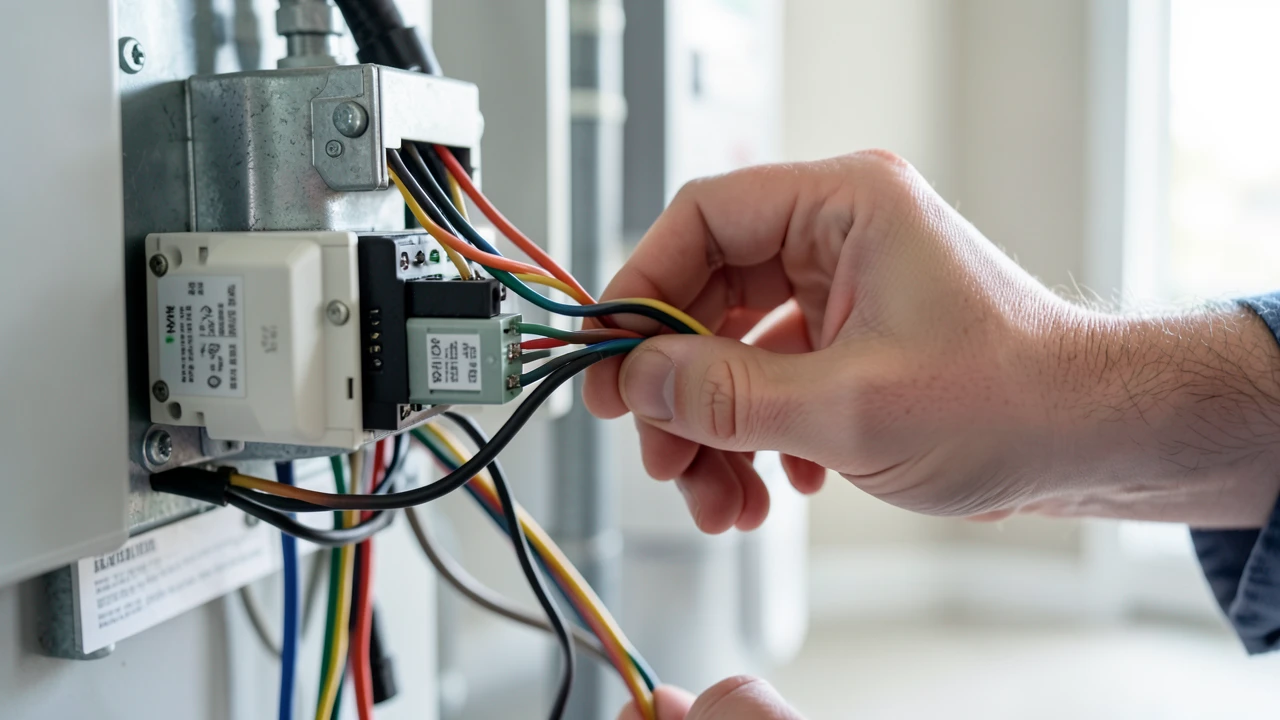
This brings us back to compatibility. It’s not a simple plug-and-play swap. You need to understand if your chosen smart thermostat is designed to interact with your specific brand, age, and type of HVAC equipment (e.g., an older gas furnace versus a modern heat pump). A simple mismatch can lead to expensive, ineffective fixes later-the kind of issue that feels impossible to diagnose without an expert on site in Kings Beach or Dollar Point. By understanding the basic principles of compatibility now, you are already taking control of your home's climate system and making sure any investment you make will pay off in reliable comfort and genuine energy savings.
Decoding Thermostat Compatibility: What You Need to Know Before Installation
To make a smart thermostat functional, we first need to understand the basic "language" of HVAC units. Don’t let the technical terms scare you; think of it like plumbing-every system needs specific pipes (wires) to function correctly. Your existing unit runs on low voltage signals delivered through multiple wires bundled together in your wall.
The single most critical component for modern smart devices is often called the C-Wire, or Common Wire. What does this wire do? It provides continuous, dedicated power-like a permanent electrical lifeline-for all those advanced features that make a thermostat "smart," such as maintaining a WiFi connection, running built-in sensors, and communicating data back to the cloud. Without reliable power from the C-wire, even the smartest screen might only display temperature readings but fail when your system needs constant energy for robust operation during a hot day in Cedar Flat.
Beyond just the wires, you must check compatibility based on your system type. Older homes in Washoe Valley often have robust gas furnace setups. These require different electrical signals than modern systems like high-efficiency heat pumps or ductless mini-splits. For example, some advanced smart controls are designed with specific algorithms to manage the cyclical nature of a variable speed heat pump-a capability an older, basic thermostat simply cannot execute. Using the wrong device won't just mean poor performance; it can sometimes prevent your system from operating at peak efficiency when you need it most.
Beyond Temperature: Using Smart Tech for Whole-Home Efficiency and Air Quality
The biggest mistake people make when upgrading to a smart thermostat is thinking its job ends at measuring temperature. Modern smart technology allows us to manage far more than just the degree on the dial; we are talking about total Indoor Air Quality (IAQ) management and systemic efficiency optimization.
A truly intelligent system can monitor humidity levels, helping prevent mold growth or keeping air comfortable during dry winter months. Some advanced models even connect to CO2 sensors-a key indicator of fresh air exchange-and automatically ramp up ventilation when the house gets stuffy. This is crucial for maintaining a healthy environment that goes beyond mere comfort.
Efficiency management also takes on a new dimension with smart technology. Features like geofencing are incredible examples; they allow your system to know, based on your phone's location, whether the house is empty or occupied. If no one is home by 10 AM, it automatically scales back heating and cooling to maintain minimum comfort while saving you money-addressing that core pain point of high utility bills.
Furthermore, smart systems generate an invaluable data stream. They track run times, cycle rates, and system performance metrics. This isn't just for your benefit; it’s a vital tool for preventative care. By knowing exactly how often your furnace is kicking on or if your AC unit is running too long to cool a specific zone, we can spot inefficiencies or potential mechanical issues long before they escalate into an expensive breakdown. It gives you true peace of mind.
The Installation Process: What to Expect from a Reliable Local Expert
The thought of installing new wiring and complex electronics can be intimidating-it sounds messy, disruptive, and costly. We understand that worry. When dealing with smart HVAC system setup Washoe Valley, the process is handled in stages designed for minimal disruption. You shouldn't have to guess what happens next; you should just enjoy your perfectly regulated climate.
A professional installation involves much more than simply mounting a unit on the wall. It requires skilled wire tracing-confirming which wires are live, which are unused, and which need to be brought online (like that critical C-wire). We then perform meticulous circuit testing, ensuring all signals pass through correctly, followed by system calibration. This final step is crucial because it teaches the new thermostat how your specific furnace or AC unit behaves under real-world conditions.
This level of specialized service demands local expertise. A contractor who understands a basic "one-size-fits-all" approach simply won't cut it for homes in Tahoe Vista, which face vastly different climate challenges than those in Olympic Valley. We must understand the nuances of Washoe Valley’s variable climate needs to ensure your system is set up for peak performance across all seasons. When you choose a local expert, you benefit from this deep knowledge and confidence that comes with years of experience working on everything from basic AC repair compatibility issues to full-scale smart home integration. For optimal results, understanding the nuances of local maintenance needs is why professional ventilation equipment service is so critical.
Making Your HVAC Investment Last: The Role of Preventative Maintenance
Marcus Riley has spent over two decades helping homeowners navigate the complexities of modern climate control, and he understands one simple truth: The best home comfort starts with preventative maintenance, not an emergency repair call. This concept is more important than any smart gadget.
Think of your HVAC system like a car. You wouldn't wait until the engine light flashes red on the freeway to take it to the mechanic. Routine tune-ups are essential. The smart thermostat, when properly installed and utilized, becomes your most advanced data-gathering tool for maintenance. It tracks performance deviations that signal trouble before you feel uncomfortable.
Our routine checkups go beyond a simple filter change. We inspect the electrical components, clean the coils to maximize heat transfer, and perform duct sealing inspections to ensure every dollar of energy is used efficiently. Viewing an annual tune-up not as an optional expense, but as an essential insurance policy against extreme weather breakdowns-whether it's a sudden Washoe Valley heatwave or a deep cold snap-is the smartest financial decision you can make for your home.
Choosing the Right Path for Your Comfort and Savings
So, how do you move forward? The primary question is deciding if your goal is maximum efficiency (which might necessitate a full system replacement) or if it's an incremental smart upgrade to optimize what you already have. This decision dictates the required compatibility check and the scope of work.
To simplify this complex process, here is a simple checklist:
- Check Existing Wiring: Do you have a C-wire? If not, we assess whether running one is feasible.
- Identify System Type: Is it an older gas furnace, or a modern heat pump? This determines the control signals needed.
- Determine Required Features: Do you need basic temperature control, or do you require advanced features like IAQ monitoring and geofencing for maximum energy efficient home climate control?
If any of these checks feel overwhelming, that's where we step in. We don't want to just tell you what to buy; we want to help you make the absolute best decision for your unique home. We invite you to schedule a consultation with us. We will assess your existing system and provide clear options, ensuring the perfect balance of modern convenience and lasting reliability.
Don't let outdated systems or wiring inconsistencies compromise your comfort. Trust the local experts who specialize in making sure every house across Washoe Valley-from Kings Beach to Cedar Flat-gets the reliable performance it deserves. Call us today for a comprehensive assessment, and we’ll guide you toward true peace of mind, backed by proven expertise and decades of experience.