
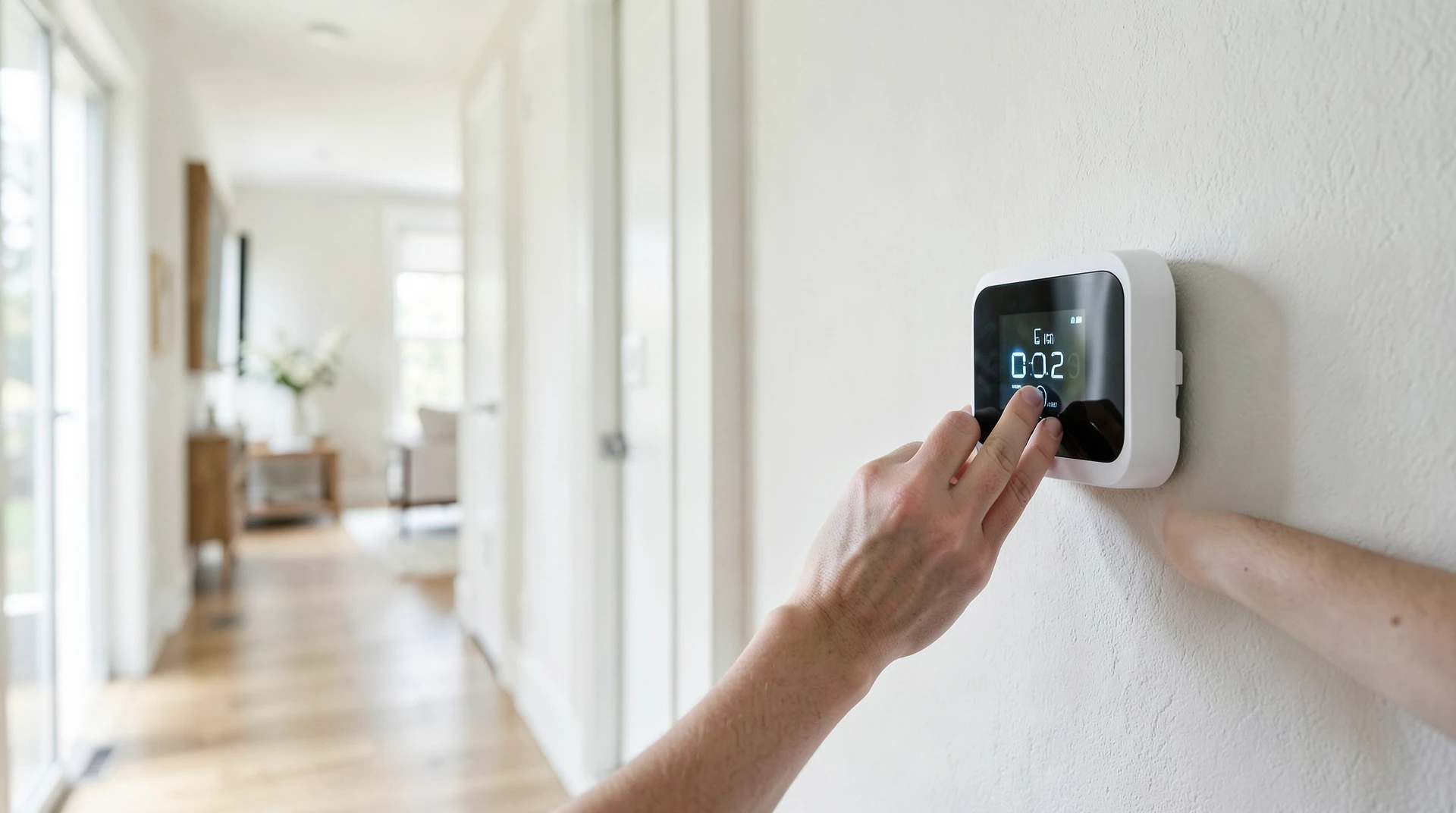
It's easy to wait until the utility bill arrives-that shocking spike in usage during a peak heatwave or deep freeze-and think, "My HVAC system must be running inefficiently." If you’ve felt that pang of anxiety while looking at your energy statement, you are not alone. In Washoe Valley, our climate is glorious but wildly variable; we go from crisp autumn mornings to blistering summer afternoons, and keeping a home perfectly comfortable can feel like a constant battle against the elements and the rising cost of living. This feeling of being perpetually "on guard" against an unexpected breakdown or an inefficient bill is exactly why smart technology exists.
However, many homeowners ask: when is the best time of year for smart thermostat setup? The answer isn't simply tied to the weather; it’s about timing your investment so that you maximize efficiency and minimize disruption. A smart thermostat is far more than a fancy gadget with Wi-Fi connectivity-it is an advanced energy management tool designed specifically to save you money and provide reliable comfort through Washoe Valley's challenging seasons. In fact, we believe the best time to install one isn’t when you need it most, but proactively, before your system fails or your bills spike dramatically. By viewing this installation as a strategic investment, rather than an expenditure, you realize that the upfront cost pays for itself through sustained efficiency gains and by avoiding costly emergency repairs down the line.
The Most Strategic Time: Focusing on Shoulder Seasons (Spring & Fall)
If I had to pick one period when homeowners are most receptive and least stressed about home upgrades, it would be during the shoulder seasons-late spring and early fall. This timing is strategically ideal for several reasons that speak directly to maximizing comfort and minimizing resistance to change.

During these transition months, the weather starts changing noticeably. You might find yourself needing less aggressive cooling than in July, but still requiring sophisticated climate management when a sudden warm-up occurs. This transitional period makes efficiency concerns immediate, yet not yet a full-blown crisis. Because the temperature swings are noticeable, homeowners are naturally thinking about maintenance, upgrades, and ways to make their homes better prepared for the coming extremes. This mindset significantly lowers the resistance to discussing costs or necessary system adjustments.
This is the perfect time to trigger what we call System Audits. When you schedule an audit with a local expert, we don't just check your AC unit; we assess everything that makes up your climate control system: ductwork integrity, insulation levels, and overall readiness for seasonal shifts. A smart thermostat installation during this window allows us to suggest upgrades-like sealing leaky ducts or ensuring proper zoning controls-that will pay dividends both in the summer and the winter ahead. These systems are perfectly suited to manage variable temperatures; they can handle the gradual shift from needing minimal cooling power while still providing precise control, making your home feel consistently balanced as Mother Nature changes her mind.
Beat the Heat: Maximizing Efficiency When Cooling is Critical
While the shoulder seasons offer strategic timing, sometimes you are looking at a massive heat spike and need a reliable solution now. Late spring and early summer setups are crucial because they give you time for proper installation and testing before the major, sustained heatwave hits. This isn't just about turning on the A/C; it’s about making sure your cooling system works smarter when you need it most.
In Washoe Valley, during peak summer months-especially in areas like Kings Beach or Cedar Flat where afternoon temperatures can climb rapidly-the difference between a standard thermostat and a smart one is dramatic. Traditional thermostats simply turn on/off based on set points; they don't learn your life. A smart system learns that the family might wake up at 6:30 AM, but won't leave for work until 8:15 AM. It can therefore optimize cooling only when necessary, ramping down or adjusting instead of running constantly and wasting electricity.
We often translate some complex technology into simple concepts for our clients. For example, Smart Zoning is a powerful feature that sounds technical, but it’s incredibly simple in practice: imagine having individual climate controls for different rooms without the massive expense of installing an entirely new mini-split system. If you spend most of your time working from home in one corner while the bedrooms are empty, the smart thermostat ensures the living area is perfectly cool, while gently adjusting the temperature in the unoccupied areas, saving energy and keeping everyone comfortable. This kind of reliable, optimized cooling provides true peace of mind when temperatures climb into triple digits.
Staying Comfortable When Temperatures Drop: Winter Efficiency Upgrades
When we talk about winter efficiency upgrades, timing matters just as much as it does for summer. The temptation is to wait until the first hard freeze or deep cold snap hits and then call a contractor in a panic. But waiting until that crisis moment often leads to rushed decisions, suboptimal installations, and systems that aren't fully optimized for your home’s unique structure. Considering the complexity of these seasonal changes, professional guidance on furnace installation is crucial to avoid rushed or suboptimal outcomes.
The best time for heating upgrades is early fall. This allows us the necessary cool window to properly assess your furnace or heat pump system and pair it with a smart thermostat before the first drop in temperature. For comprehensive advice on expert heating and cooling solutions, these advanced systems manage forced-air furnaces and modern heat pumps far more intelligently than basic manual thermostats. They don't just use a simple setback temperature (e.g., dropping the temp 5 degrees overnight). Instead, they utilize deep sleep cycles and predictive modeling to maintain comfort while minimizing fuel consumption.
Furthermore, one of the greatest joys of smart HVAC systems is their ability to manage more than just temperature-they help monitor humidity. As we know from experience in older Washoe Valley homes, winter air can become incredibly dry. This excessive dryness isn't just uncomfortable; it irritates sinuses and makes breathing difficult. Smart units detect when indoor humidity levels drop too low and automatically compensate by boosting the dehumidification cycle or signaling for a humidifier to run. It’s these little details that elevate your home from merely "heated" to truly comfortable and healthy.
Beyond Temperature: Smart Setup for Better Indoor Air Quality (IAQ)
If you've read enough about modern homes, you know this section might sound like I'm trying to sell you an air purifier when all you want is a working AC unit. But I promise you, improving your Indoor Air Quality (IAQ) should be viewed as the ultimate upgrade-and it’s something that can be integrated seamlessly with your smart thermostat setup.
Modern life, especially in dense residential areas, means our homes are constantly collecting dust, pet allergens, and volatile organic compounds (VOCs) from cooking or furniture off-gassing. A basic HVAC system is designed to move air; a smart system is designed to improve the quality of that air. These advanced smart systems can integrate directly with high-efficiency filtration units, detecting elevated levels of CO2 (a key indicator of poor ventilation) or specific particulate matter that could trigger allergies.
Think of your HVAC system not just as a heater or cooler, but as an automated air scrubber for your family's health. The best time to tackle IAQ improvements is when you are already scheduling or planning your seasonal HVAC Tune-Up/Maintenance check. By grouping these services-a tune-up and the smart thermostat installation-we make the process seamless, manageable, and far less disruptive than if we tackled them as separate projects months apart. This holistic approach ensures that every component of your home's climate control is working together for maximum health benefits year-round.
The Expert Approach to System Readiness Assessment
Ultimately, while I’ve explained when the ideal time is-the transitional shoulder seasons-I want to shift our focus slightly from 'when' to who. Setting up a smart thermostat requires far more than just connecting a few wires to a wall plate; it requires a full assessment of your home's infrastructure.
As an HVAC professional with over two decades working in the Reno area, I’ve seen firsthand that pairing cutting-edge technology with an aging or poorly sealed system is a recipe for wasted money and continued inefficiency. We need to check things like ductwork leakage rates, insulation values, and even your unit's actual SEER rating (Seasonal Energy Efficiency Ratio) to make sure the new smart technology is paired with a truly efficient core system.
This is where having local expertise matters so much. When you work with established Washoe Valley experts who understand the unique challenges of our varied climate-from the desert heat cycles near Dollar Point to the mountain cool of Tahoe Vista-you ensure that your installation isn't just smart, but perfectly adapted for your specific neighborhood and home structure. We focus on providing transparent recommendations, showing you not only the cost but also the long-term value this preventative maintenance provides.
If you’re wondering when is the best time of year for smart thermostat setup?-the answer remains: when you are ready to invest in your family's comfort and health proactively. Don't wait until an emergency forces your hand. Give us a call at +1 775-490-8107 or visit us at 412 Thompson St, Carson City, NV 89703 today, and let’s schedule a comprehensive system assessment that guarantees peace of mind for the years ahead.