
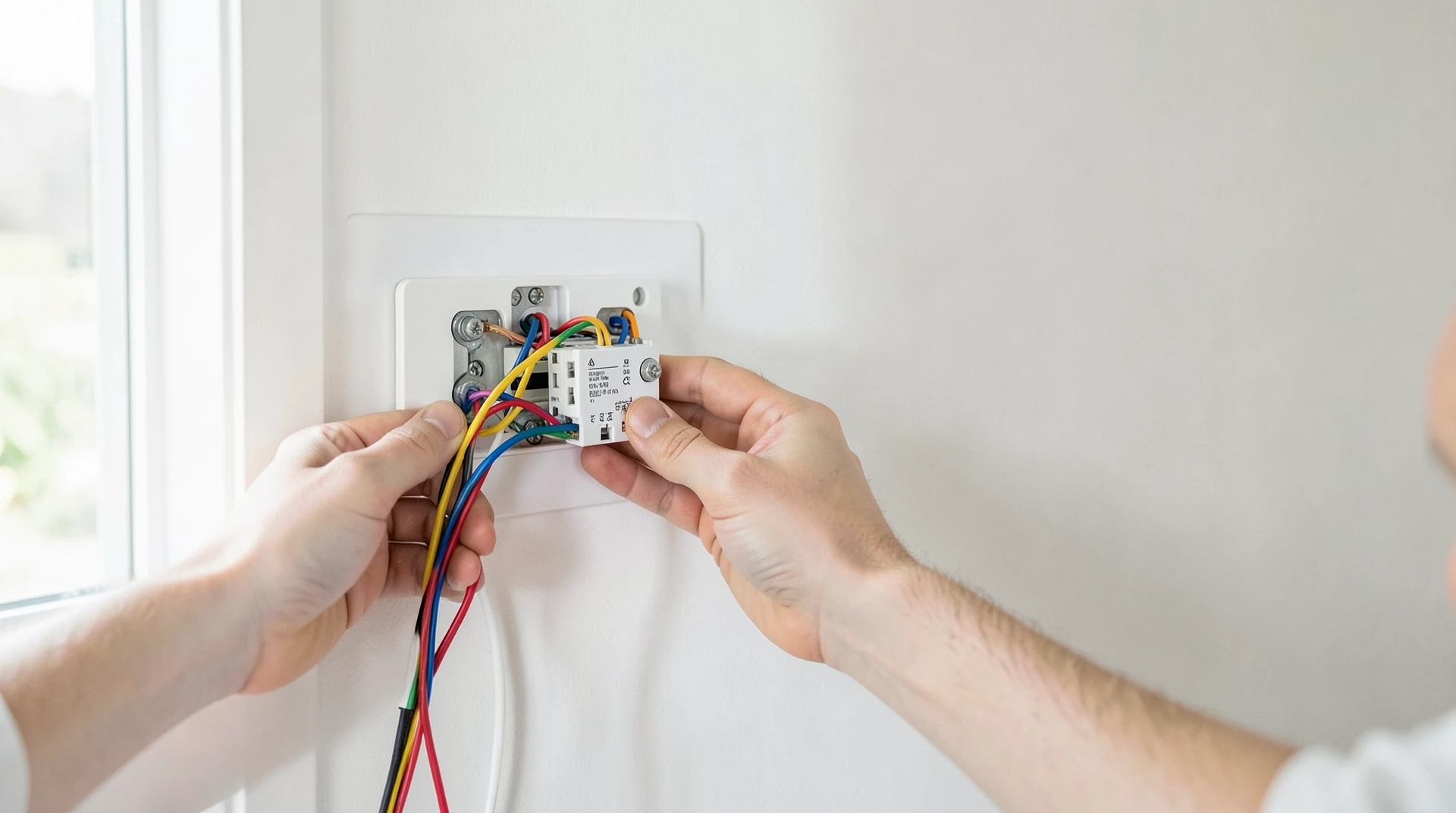
If you’ve been thinking about upgrading to a modern, connected smart thermostat-maybe one that learns your routine or adjusts based on the humidity outside-you’ve probably hit a wall of technical jargon. You look at the sleek unit and think, "This is it! Perfect efficiency!" But then you start researching, and suddenly, the words "low-voltage wiring," "C-wire," and "system compatibility" pop up. It can feel overwhelming.
Here at +1 775-490-8107, we see this all the time in Washoe Valley homes. The jump from a simple dial thermostat to a smart, Wi-Fi connected device is massive. It’s not just about having temperature readouts on your phone; it's about precision and efficiency that modern life demands-especially when dealing with unpredictable climate swings. A true smart system needs more than basic scheduling; it needs intelligence. This intelligence allows systems to recognize the difference between you leaving for a weekend trip versus simply being out running errands, making sure you never waste energy on cooling an empty house. Furthermore, advanced WiFi thermostats are often designed to integrate with other components in your home-things like air purifiers and whole-house dehumidification units-significantly improving overall Indoor Air Quality (IAQ). But this beautiful complexity requires a solid foundation: the wiring. It’s easy to get stuck here, thinking that while smart thermostats are great upgrades, they often require specific electrical infrastructure to function properly. Understanding your existing setup is the crucial first step toward achieving lasting comfort.
Understanding the Wires: What Type of Wiring Do I Need for WiFi Thermostat Installation?
Let's cut through the technical confusion immediately. When you search "what type of wiring do I need for WiFi thermostat installation?", you are asking one of the most common, and frankly, most important questions in modern home efficiency. The short answer is: it depends, but there is a critical wire that makes almost all smart features possible.
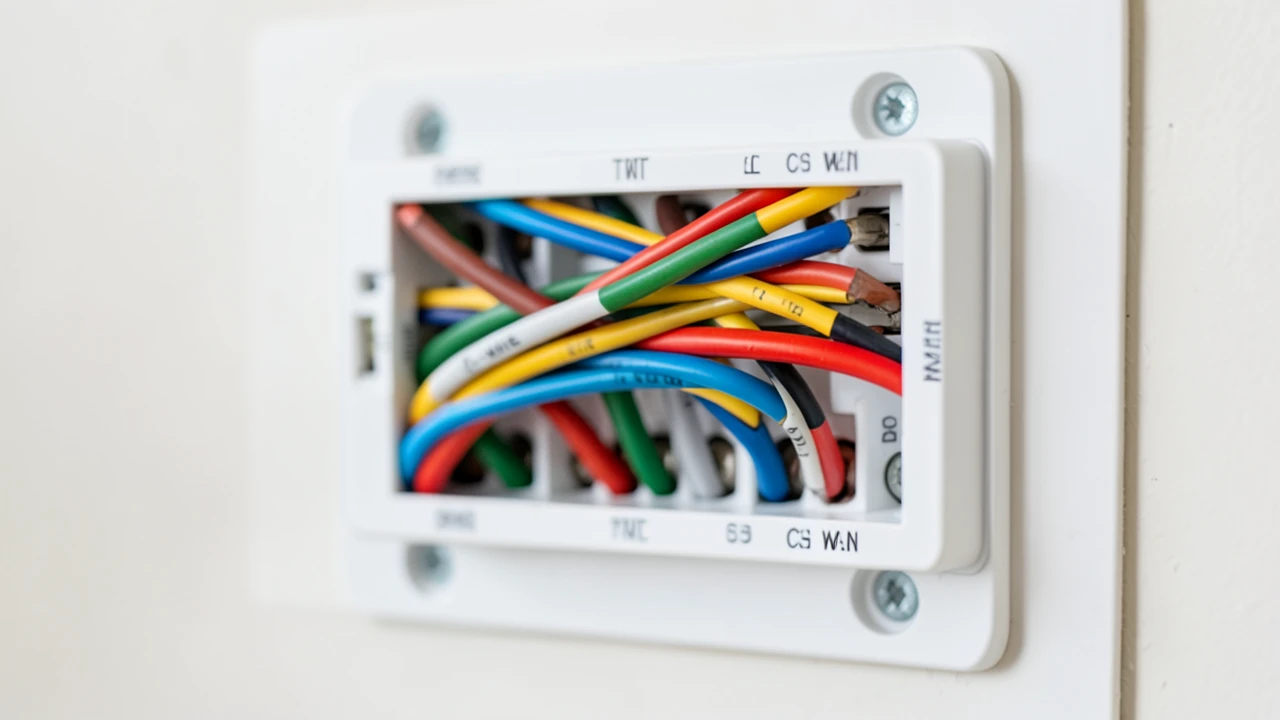
The wire at the center of this discussion is called the C-wire (Common Wire). Think of your old thermostat wiring like a simple switch-it just turns things on or off when you tell it to. The C-wire, however, acts as the dedicated, constant power source. Since Wi-Fi connectivity and advanced features-like keeping a small internal display lit 24/7 or running complex data processing-require continuous electrical current, that C-wire provides the steady "electrical outlet" your smart thermostat needs to function reliably.
Most modern HVAC systems are designed with this wire in mind from day one. However, if your home was built before the widespread adoption of high-tech smart devices, or if previous owners simply removed it because they didn't know what it was for, you might find that this vital connection is missing. This lack of a proper C-wire is arguably the single most frequent point of failure we encounter when homeowners attempt to install advanced units on their own.
Before calling out a professional, here are two simple checks: 1) Look at your existing thermostat wiring bundle-are there more wires than the basic system requires? 2) Does the electrical panel or the HVAC unit itself have an accessible, dedicated power source near the thermostat location? These small investigative steps can save you time and prevent frustration.
The Wiring Gap: When Your System Needs More Than Just a Quick Connection
Sometimes, after checking for the C-wire, the reality hits: your existing wiring is simply insufficient or incompatible with modern smart technology. This is what we call "the gap." It's where a simple replacement job becomes a more involved system integration project, and this is exactly when professional expertise makes all the difference.
When faced with this gap, the solution isn't to just buy a cheaper thermostat; it’s to properly address the power supply. We have several solutions for running new low-voltage wires-the goal is always discretion. This might mean routing specialized conduit discreetly through walls or using existing pathways without causing major structural mess. We specialize in making these upgrades look and function as if nothing was ever done. For those needing comprehensive updates beyond just the thermostat, we also advise on advanced residential furnace solutions to ensure your entire heating system performs optimally.
It’s critical to differentiate between a simple thermostat replacement and full system integration. A smart unit only controls the flow of energy; it doesn't create it. The entire HVAC unit-the compressor, furnace, and air handler-must be sized correctly to handle the efficiency demands that your new smart tech is designed to manage. If the core mechanical components are struggling or outdated, even the smartest thermostat won't save you much money on energy bills.
I remember working on a setup in Cedar Flat where the homeowner had just installed a beautiful high-end smart unit, but couldn't get it connected properly because of old wiring. We found that by addressing the proper power source and running new, low-voltage lines, we not only got the thermostat functional but also added dedicated humidity sensors, creating an almost seamless indoor environment. Proper wiring isn't just about connecting wires; it’s about ensuring reliable, continuous, and clean power for maximum comfort and longevity-that core function of preventative maintenance that keeps your whole system running smoothly year after year.
Beyond the Brain: How Smart Thermostats Work with Your Whole HVAC System
A smart thermostat is incredibly smart, but it's just the brain. It’s the beautiful user interface; the actual work of keeping you comfortable comes from the mechanical heart of your home-the AC system, furnace, or heat pump itself. To understand the full potential, we have to broaden the scope and look at the bigger picture. While a smart thermostat manages the settings, remember that its performance relies entirely on the mechanical components, such as your existing unit for tahoe vista air conditioning.
A major benefit of modern smart tech is its ability to optimize performance across advanced systems, such as high-efficiency heat pumps or ducted mini-splits. These units are designed for precise temperature control across varying seasons-a necessity in a climate like Washoe Valley's, where days can swing wildly from hot and dry to cool and damp. The smart thermostat acts as the conductor, telling the orchestra (your HVAC system) exactly when, how hard, and how long to play. For instance, if you are looking to keep your home cool this summer, ensuring the underlying mechanical systems can handle the load is just as important as the thermostat itself.
However, even if your thermostat is perfectly programmed, an aging compressor or years of neglected ductwork will inevitably undermine its efficiency gains. This brings us to system optimization. It’s like having a brand new sports car with bald tires: the machine itself can't perform at peak capacity. If your air ducts are dirty, leaky, or if your furnace is due for service, no amount of smart scheduling will fix those underlying issues.
We often see homeowners in areas like Dollar Point who assume that fixing the thermostat was the only thing needed. We gently educate them on how a full HVAC maintenance and tune-up-including duct cleaning and component inspection-is just as critical, if not more so. Because we've been serving Washoe Valley for over two decades, I can tell you that reliable service isn't about fixing the machine; it's about being your dependable neighbor who knows exactly when preventative care is needed before a breakdown ever happens.
Building Lasting Comfort: Choosing Your Next System with Expertise
Ultimately, while understanding what type of wiring do I need for WiFi thermostat installation? is an immediate technical concern, we want you to view this conversation as much bigger than just the wires and the dial. We are helping you make a major investment in your family's comfort and health.
When it comes time for a full system replacement-whether it’s an AC Replacement or a Heat Pump Installation-the homeowner needs guidance that goes far beyond matching aesthetics to budget. The choice involves balancing upfront cost, crucial efficiency ratings (like SEER), and long-term operational energy savings. This is where we shift the conversation from "What does this cost?" to "How much will this save you over ten years?"
A smart thermostat helps manage efficiency; a professional HVAC tune-up ensures reliability. By combining these elements, you create true peace of mind. We recommend that any system upgrade be paired with a comprehensive assessment of your home's entire climate control needs. This holistic view is what allows us to guide homeowners toward the best long-term value.
Don't let the complexity surrounding smart technology or aging systems discourage you. The best comfort starts with preventative maintenance, not an emergency repair call. If you are in Kings Beach, Tahoe Vista, or anywhere throughout Washoe Valley and feel overwhelmed by the technical details of your current setup, remember that we aren't just calling for a price quote; we're offering an expert consultation. Let us walk through the possibilities, explain exactly what those wires mean, and help you design a system that is both incredibly modern and reliably efficient for decades to come.