
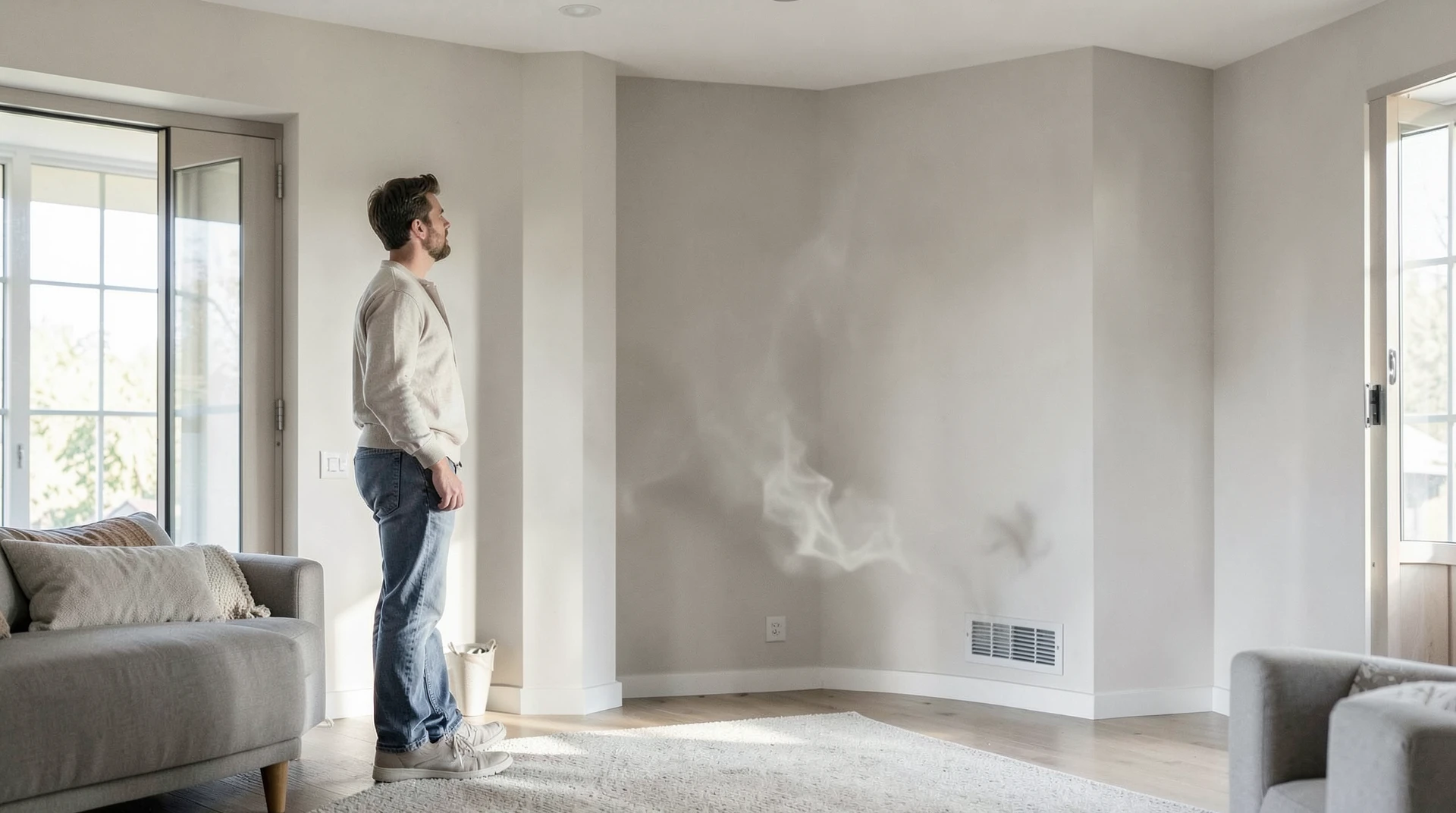
Smart Tech Isn't Magic: What to Check After Your Smart Thermostat Install
The moment you install a smart thermostat, there’s an undeniable feeling of modern magic. You can control your home temperature from across the country, set complex schedules, and feel like you’ve upgraded not just your HVAC, but your entire lifestyle. These devices are incredible tools for modern efficiency, especially in a climate as variable as Washoe Valley's. But let’s be real: while they simplify life dramatically, they don't magically fix an aging furnace or clear blocked ductwork.
We proudly serve hvac services in Dollar Point, CA and the surrounding area.
If you’ve followed the installation guide perfectly, set up your Wi-Fi connection, and now the house just doesn't feel right-maybe it’s too hot in Cedar Flat one afternoon and freezing in Dollar Point the next-don't panic. It means something else might be going on. Our job here is to help you navigate that initial confusion. When we talk about troubleshooting common issues after smart thermostat install, the first rule I always teach my clients is this: The thermostat is a brilliant monitor, but it is not the mechanical heart of your home’s climate control.
Understanding What Your Smart Thermostat Actually Does
Many homeowners assume that if the device reads 72°F, the house must feel exactly 72°F everywhere. That's a common misconception. A smart thermostat is fundamentally a highly sophisticated sensor and controller. It performs three main functions:
Learn more about Smart Hvac Solution’s team of experts.
- Measurement: It takes an accurate temperature reading at one specific point on your wall.
- Communication: It sends that data to the HVAC unit, telling it when and how long to run.
- Optimization: It uses scheduling and geo-fencing (if enabled) to manage energy use based on occupancy.
This is why we need to set realistic expectations right away. If the temperature reading appears accurate-say, 70°F-but you still feel drafts, hot spots, or uneven temperatures in different rooms, the issue isn't usually a bug in your programming. It’s often a problem deeper within the mechanical system itself.
Simple Tech Checks: The First Steps Before Calling Us
Before we even consider calling for service, let’s run through some simple checks. These are the quick fixes that build confidence and rule out the easiest culprits of poor performance:
- Wi-Fi Connectivity: Is the thermostat constantly dropping off the network? Sometimes a router reboot is all it needs. Check if your Wi-Fi signal strength at the thermostat location is adequate.
- Zone Settings/Sensors: If you have zoning, ensure that every zone’s sensors are properly calibrated and not accidentally set to an incompatible schedule or temperature range.
- The Classic Reboot: Seriously, turn it off, wait 60 seconds, and turn it back on. It sounds remedial, but many smart tech hiccups are simply solved by a fresh power cycle.
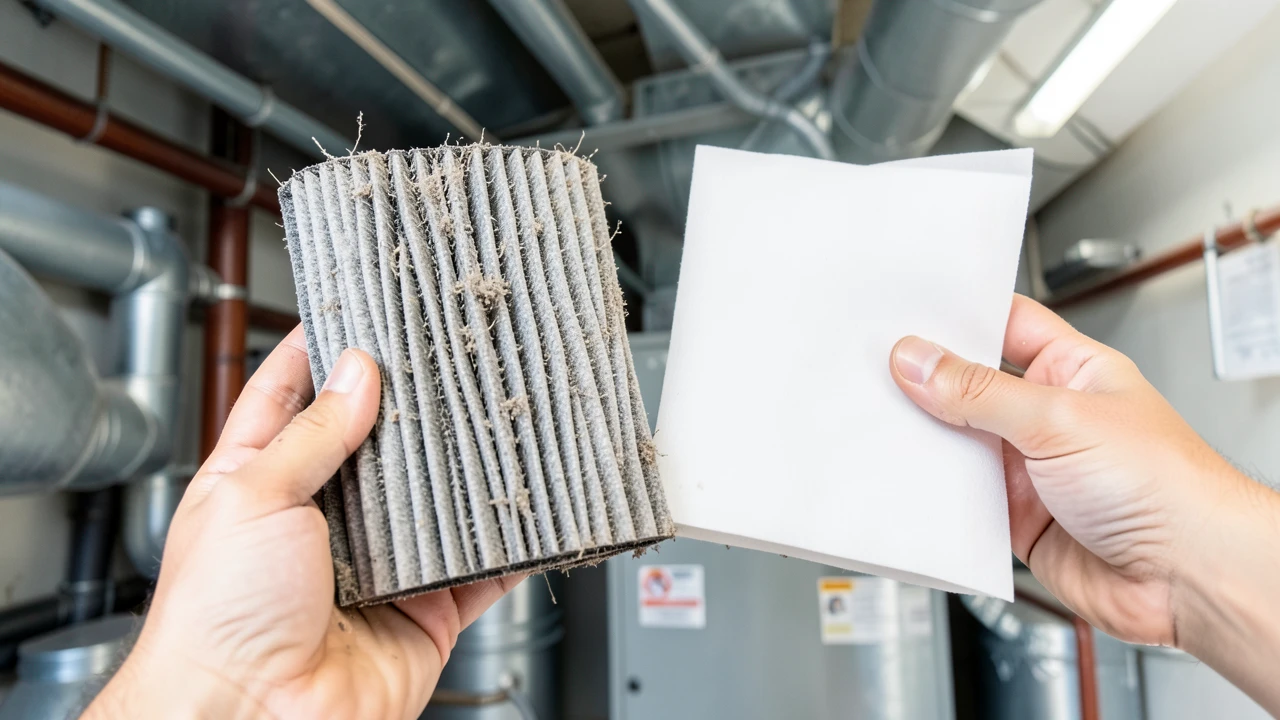
If you've done these basic steps and the house still feels uncomfortable, it signals that we need to shift our focus from technology troubleshooting to mechanical system diagnostics. This is where understanding troubleshooting common issues after smart thermostat install really helps homeowners realize they might be overlooking physical problems.
The Most Common Issues: When Smart Diagnosis Points to a Bigger Problem
Once the simple tech fixes are ruled out, we move into assessing the physical environment of your home and its HVAC components. These next three issues are incredibly common in older homes throughout Washoe Valley-and none of them can be solved by changing a programming schedule.
Low Airflow or Restricted Vents
This is perhaps the most frequent culprit when homeowners complain that the new system "isn't blowing enough cold air." The smart thermostat might say, "Okay, run unit for 30 minutes," but if the air physically cannot move through your home efficiently, nothing matters.
- Dirty Filters: This is basic, but vital. A clogged filter acts like a throttle on your entire system, restricting airflow and making the unit work harder (and less effectively). Check and replace these filters regularly-it's one of the easiest preventative HVAC maintenance tips you can adopt.
- Blocked Registers/Vents: Are there rugs placed over floor vents? Are furniture items blocking return air grilles? Any obstruction, no matter how small, forces the system to work against resistance. Take a walk through your house and ensure every vent is clear.
Cyclical or Erratic Performance
Sometimes, the AC unit kicks on with great power, then shuts off just as quickly, only to repeat the cycle an hour later. This rapid cycling (short-cycling) can be alarming and suggests that the system is struggling to maintain stable conditions. It could point to a few things:
- Improper System Sizing: The unit might simply be too small or too large for your home's actual needs, especially if you’ve added insulation or changed occupancy since installation.
- Capacity Issue: This often suggests a problem with the cooling coil, refrigerant levels (low refrigerant is like having an air leak in a tire-the system loses its "breath"), or even the outdoor unit itself. These are complex mechanical issues that require specialized tools to diagnose.
Deep Dive into 'Drafty Feel' Issues
This feeling of uneven temperature distribution, especially prevalent in older Washoe Valley homes built before modern insulation standards, is rarely an HVAC fault. It’s often a structural one. We call this "envelope leakage." Draftiness suggests:
- Leaky Ductwork: Over the decades, ducts can develop small tears or connections that leak conditioned air into unconditioned spaces (like attics or crawlspaces). The thermostat senses 70°F at its location, but the rooms connected to those leaky ducts feel much colder.
- Poor Insulation/Sealing: If your attic or rim joists are poorly insulated, the outside temperature will constantly undermine your HVAC efforts.
When you are troubleshooting common issues after smart thermostat install, always ask yourself: Is the problem electrical/programming, or is it structural/physical? The answer usually points away from the fancy technology and toward something foundational.
When Troubleshooting Goes Beyond the Thermostat: Spotting True System Failures
This section requires us to draw a clear line in the sand between a simple tech glitch and an expensive mechanical failure. This distinction is crucial for keeping your wallet safe!
Smart Tech Issues vs. Mechanical Failure
A smart thermostat issue involves software, sensors, batteries, or programming conflicts. A mechanical failure involves physical components that have worn out or are operating outside of optimal parameters.
For example:
- Tech Issue: The app says the temperature is 70°F, but the unit won't turn on. Potential Fix: Check the circuit breaker or thermostat wiring.
- Mechanical Failure: The system runs perfectly but only blows cool air for a short burst before shutting down entirely. Potential Problem: Could be low refrigerant charge or a failing compressor-both require professional diagnosis, not just a simple reset.
When you are running through troubleshooting common issues after smart thermostat install, if the unit seems physically incapable of generating consistent power or airflow, it is time to call in an expert. We have seen this pattern hundreds of times over my years working in Washoe Valley: the issue isn't the fancy gadget; it's the dusty coil outside!
The Critical Role of Indoor Air Quality (IAQ)
We are no longer just selling "cooling" or "heating"; we are selling health. If your air smells musty, earthy, or metallic, that is an IAQ concern. This points away from simple temperature control and toward potential mold/mildew buildup in the ductwork, on the coils, or within the condensate drain lines. A smart thermostat cannot detect mold; only professional inspection and cleaning can address it.
Signs of an Outdated System Struggling to Keep Up
Our clients often tell us their old system used to handle Washoe Valley's heatwaves fine, but now they struggle. This isn't a fault with the thermostat-it’s simple physics. Older systems were designed for different energy standards and building envelopes than today's homes.
Look out for these signs:
- High Energy Bills Despite Smart Scheduling: If you are meticulously following your schedule yet seeing massive utility spikes, it suggests chronic inefficiency (leaky ducts or an undersized unit).
- Inability to Handle Extreme Changes: If the system struggles severely when temperatures swing wildly-like a sudden cold snap followed by intense heat-it may be signaling that its core components (compressor/heat exchanger) are near their operational limit.
When basic troubleshooting fails, remember that your home is a complex ecosystem, and sometimes, the best solution isn't a fix, but an upgrade to improve overall efficiency.
Optimizing Comfort for Washoe Valley's Variable Climate
Washoe Valley doesn't have one climate; it has several. One month you might be dealing with dry, scorching heat reminiscent of the desert edges near Kings Beach, and the next, you could be facing sudden dips in temperature that feel more like a mountain elevation change. Any HVAC system installed must be robust enough to handle this extreme variability year-round.
This brings us back to efficiency. The value of your smart thermostat isn't just control; it’s about optimization. By allowing us to monitor usage patterns and fine-tune the system, we ensure that your expensive smart investment is actually saving you money on utility bills by maximizing its SEER ratings (Seasonal Energy Efficiency Ratio).
We understand the unique challenges facing homeowners in areas like Cedar Flat or those near the Olympic Valley. We know that a one-size-fits-all solution simply won't cut it when dealing with varied elevation and climate extremes. Sometimes, what seems like an "AC repair" is actually a signal that you need to consider:
- Central AC Repair vs. Replacement: Is this component failure or systemic weakness?
- Adding Supplemental Zoning: Perhaps the main unit works great, but a mini-split in your master bedroom area could solve those nagging temperature discrepancies without replacing the entire system.
We look at your entire home and your local climate profile to recommend a solution that provides true comfort and long-term financial sense-not just the cheapest patch job.
Building Reliable Comfort: Making Prevention Your Priority
If there is one thing I’ve learned over my two decades in this industry, it’s that the best home comfort starts with preventative maintenance, not an emergency repair call. Think of us as your HVAC health monitor. A tune-up isn't just a service; it is the ultimate troubleshooting tool. It allows us to proactively find the small issues-a slightly loose electrical connection, a minor clog in the condensate line, or a filter that’s already too dirty-before they escalate into an expensive system breakdown when you need them most.
We recommend a seasonal maintenance checklist that keeps your peace of mind intact:
- Spring AC Check: Cleaning coils and checking refrigerant levels before the peak summer heat hits.
- Fall Furnace/Heat Pump Prep: Inspecting burners, testing igniters, and ensuring all safety controls are functioning perfectly before the cold sets in.
If you’re feeling overwhelmed trying to understand whether your HVAC system needs a simple tune-up, a minor repair, or even a full replacement, please don't hesitate. Our goal is to translate the complex jargon-the SEER ratings, the CFM measurements, the IAQ indexes-into straightforward, actionable advice that makes sense for your family and your budget.
When you are tackling troubleshooting common issues after smart thermostat install, remember this: While the technology gives you incredible control, reliable comfort still requires expert hands to manage the mechanics beneath the surface. We are here as your local Washoe Valley partners, ready to help you maintain that perfect balance of modern convenience and enduring mechanical reliability. To schedule a comprehensive efficiency check up for home owners or simply to address those nagging questions about your system's performance, give us a call at +1 775-490-8107.